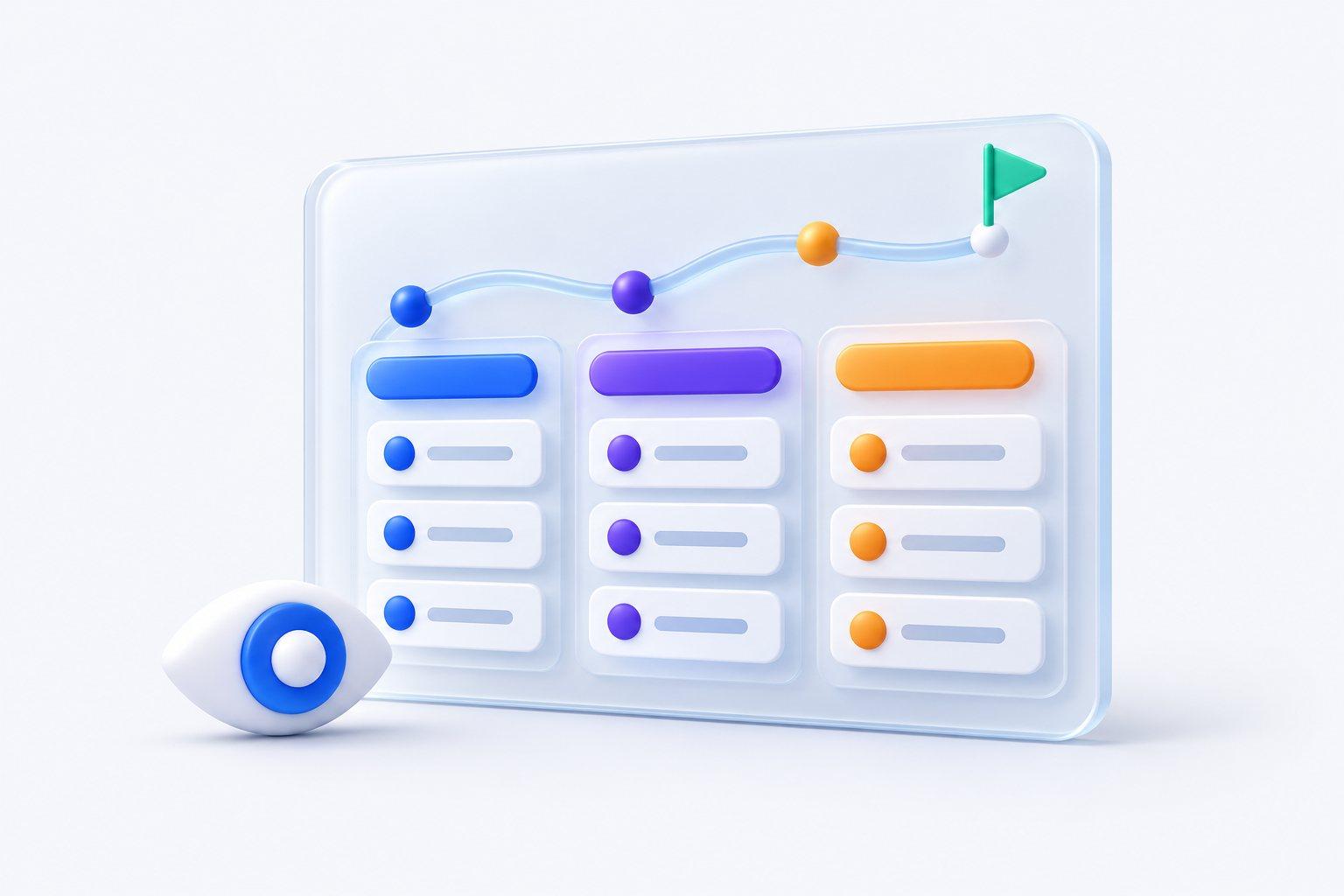
Public roadmaps: how transparency builds trust
What a public product roadmap brings, which risks to watch and how to maintain it so it builds trust with your users instead of disappointment.
 Releasebird teamPublished · Updated

More and more product teams make their roadmap public. Here is why transparency in product planning builds trust and leads to better decisions.
What is a public roadmap?
A public roadmap shows where your product is heading. Unlike an internal roadmap, you share it with customers, prospects and your community.
The benefits
- Trust: Customers see where the product they invest in is going.
- Less churn: Customers are more likely to stay when important features are visibly in progress.
- Early feedback: Users react to planned features before you invest development time.
- Clear expectations: Realistic time frames prevent false hopes.
- Differentiation: Openness can set you apart from less transparent vendors.
Handling the challenges
- Changing priorities: Work with time frames instead of fixed dates and explain changes openly.
- Competition: Find the right balance between detail and strategic restraint.
- Disappointed expectations: Only promise what is realistic and mark uncertain items.
Best practices
- Clear grouping: Organize items by theme or goal.
- Visible status: Show whether something is planned, in progress or almost done.
- Enable feedback: Let users react to and comment on items.
- Keep it current: Update the roadmap regularly and communicate changes.
- The right level of detail: Enough to be understood without committing too early.
Conclusion
A public roadmap is more than a marketing tool. Done well, it builds trust, delivers valuable feedback and leads to better product decisions.