Public Product Roadmap: The Complete Guide to Roadmap Communication Tools
How to create and share a public roadmap that builds trust, which roadmap tools to consider and how to communicate releases along the way.
 Releasebird teamPublished
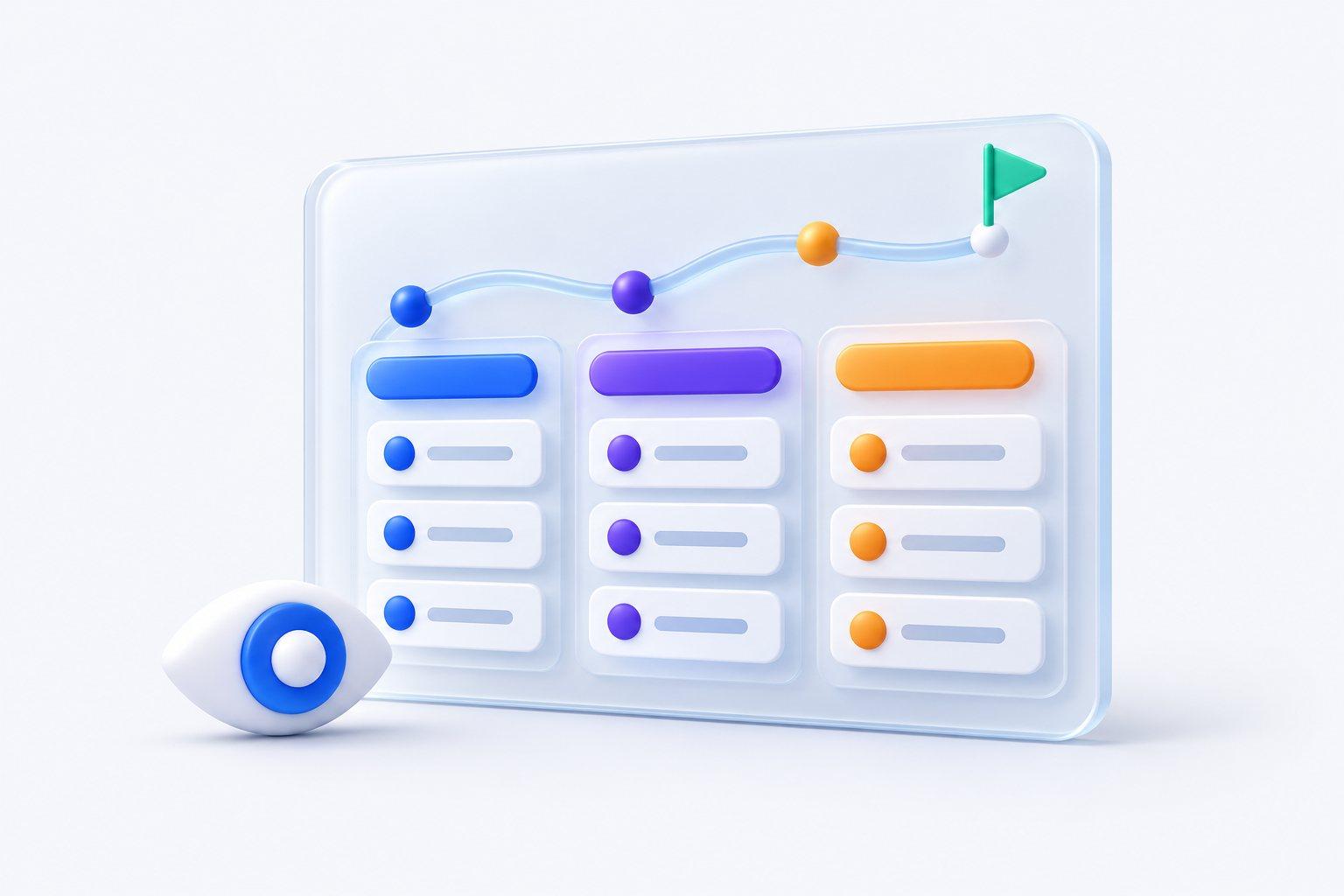
In today's product-led world, transparency is no longer optional—it's expected. A public roadmap has become one of the most powerful tools for building trust with customers, reducing support burden, and creating a community around your product. But how do you create an effective public product roadmap, and which roadmap communication tool should you use?
This comprehensive guide covers everything you need to know about public roadmaps, release roadmaps, and choosing the right public roadmap tool for your team.
What is a Public Roadmap?
A public roadmap is a customer-facing view of your product's future direction and planned features. Unlike internal roadmaps that contain detailed technical specifications and internal deadlines, a public product roadmap communicates:
- What features are planned (without overpromising specific dates)
- What you're currently building (work in progress)
- What you've recently shipped (completed features)
- Why these features matter (the value they provide)
The Rise of Public Roadmaps
The shift toward public roadmaps reflects broader trends in software development:
Customer Expectations Have Changed
- Modern SaaS customers expect transparency about product direction
- B2B buyers want to see your roadmap before committing to a purchase
- Users want to know if their feature requests are being considered
Competition for Attention
- Products with public roadmaps build stronger communities
- Transparency creates differentiation in crowded markets
- Open communication reduces churn by keeping customers informed
Remote Work and Async Communication
- Public roadmaps serve as always-available documentation
- Reduce repetitive questions about "what's coming next"
- Enable self-service for prospects and customers
Benefits of a Public Product Roadmap
1. Build Trust and Transparency
A public roadmap demonstrates that you:
- Listen to customer feedback
- Have a clear product vision
- Are actively investing in the product
- Value open communication
Real-World Impact: Companies with public roadmaps report higher customer satisfaction scores and lower churn rates. When customers can see what's coming, they're more likely to stick around.
2. Reduce Support and Sales Burden
For Support Teams:
- Customers can check the roadmap before asking "when will feature X be available?"
- Reduces repetitive questions about upcoming features
- Empowers support to reference the public roadmap in responses
For Sales Teams:
- Prospects can see your product direction during evaluation
- Reduces "will you build this?" questions in sales calls
- Demonstrates momentum and active development
3. Engage Your Community
A public roadmap creates opportunities for:
- Customer input through voting and comments
- Early feedback before development begins
- Excitement about upcoming features
- Validation that you're building the right things
4. Improve Prioritization
When customers can vote on roadmap items:
- You get quantitative data on feature demand
- Loudest voices don't dominate prioritization
- You can identify features with broad vs. niche appeal
- Decisions become more data-driven
5. Set Realistic Expectations
A well-maintained public roadmap helps:
- Communicate what's actively being worked on
- Show that some requests are under consideration
- Explain why certain features aren't prioritized
- Reduce frustration from unclear timelines
Key Components of an Effective Public Roadmap
1. Release Roadmap Structure
An effective release roadmap typically includes three main sections:
Now (In Progress)
- Features currently in development
- Expected to ship in the next 1-2 months
- Provides visibility into immediate future
Next (Planned)
- Features you're committed to building
- Expected in the next 3-6 months
- Shows medium-term direction
Later (Considering)
- Features under evaluation
- No committed timeline
- Gathering feedback and validating demand
Pro Tip: Avoid specific dates. Use quarters or relative timeframes like "Q2 2025" instead of "March 15, 2025" to prevent missed deadline frustration.
2. Feature Details
Each roadmap item should include:
Clear Title
- Descriptive and customer-friendly language
- Avoid internal jargon or technical terms
Value Proposition
- Explain WHY this feature matters
- Describe the problem it solves
- Share the customer benefit
Status Updates
- Keep items current with progress updates
- Move items between stages as development progresses
- Mark completed features and link to release notes
Community Engagement
- Enable voting to gauge interest
- Allow comments for feedback and questions
- Show vote counts to indicate demand
3. Visual Design
Your public roadmap should be:
- Clean and scannable - Easy to understand at a glance
- Mobile-friendly - Accessible on all devices
- Branded - Consistent with your product identity
- Interactive - Allow filtering by category or team
Choosing the Right Public Roadmap Tool
Not all roadmap communication tools are created equal. Here's what to look for:
Essential Features
1. Public Sharing
- Shareable public URL
- No login required for viewing
- SEO-friendly roadmap pages
- Embeddable widgets for your website
2. Customer Engagement
- Voting system for feature prioritization
- Comment threads for feedback
- Email notifications for updates
- Integration with support tools
3. Status Management
- Multiple roadmap stages (Now, Next, Later)
- Easy drag-and-drop organization
- Batch updates for efficiency
- Status change history
4. Customization
- Custom branding and colors
- Configurable roadmap columns
- Category filtering
- Team or product segmentation
5. Communication
- Rich text descriptions
- Image and video support
- Changelog integration
- Announcement capabilities
Popular Public Roadmap Tools
Releasebird
- Complete roadmap communication tool with voting, comments, and announcements
- Integrated with release notes, changelog, and feedback collection
- Custom branding and embeddable widgets
- Best for: Teams wanting an all-in-one customer communication platform
ProductBoard
- Advanced product management features
- Strong internal roadmap capabilities
- Public portal available
- Best for: Larger teams with complex workflows
Canny
- Simple feedback and roadmap tool
- Easy to set up and use
- Strong voting and commenting
- Best for: Small teams starting with public roadmaps
Trello (Public Boards)
- Free and familiar interface
- Basic roadmap functionality
- Limited customization
- Best for: Very small teams or early-stage startups
How to Build Your First Public Roadmap
Step 1: Define Your Roadmap Strategy
Before creating your public roadmap, answer these questions:
What will you share?
- Only major features or all improvements?
- How far into the future will you show?
- What level of detail will you provide?
Who is your audience?
- Current customers only or also prospects?
- Technical users or business stakeholders?
- What communication style resonates?
How will you update it?
- Weekly, bi-weekly, or monthly?
- Who is responsible for updates?
- What's your process for moving items between stages?
Step 2: Choose Your Public Roadmap Tool
Select a public roadmap tool based on:
- Your budget and team size
- Integration requirements
- Desired level of customer engagement
- Customization needs
Releasebird offers a 14-day free trial, making it easy to test the platform before committing.
Step 3: Migrate Existing Plans
Start by adding:
- In Progress: 3-5 features currently in development
- Planned: 5-10 features committed for the next quarter
- Considering: 10-15 features gathering feedback
Pro Tip: Don't feel pressured to populate everything at once. Start small and grow your roadmap organically.
Step 4: Set Up Customer Engagement
Enable features that drive participation:
- Voting: Let customers prioritize features
- Comments: Gather detailed feedback
- Notifications: Keep interested users informed
- Integration: Connect with your support tools
Step 5: Launch and Promote
Make your public roadmap discoverable:
- Link from your website - Add to navigation or footer
- Announce to customers - Email blast and in-app notifications
- Share on social media - Create buzz around transparency
- Include in onboarding - Show new users what's coming
- Reference in support - Direct questions to the roadmap
Best Practices for Public Roadmap Communication
1. Be Honest About Uncertainty
Do:
- Use language like "We're exploring..." or "Under consideration"
- Explain that priorities can change
- Share why certain features might not be built
Don't:
- Make promises you can't keep
- Commit to specific dates unless you're certain
- Add features just to please loud customers
2. Explain Your "Why"
Every roadmap item should answer:
- What problem does this solve?
- Who benefits from this feature?
- Why are we prioritizing this now?
This context helps customers understand your decisions and builds empathy even when their request isn't prioritized.
3. Keep It Updated
Nothing kills trust faster than an abandoned roadmap. Commit to:
- Regular updates (at least monthly)
- Moving completed items to "Shipped"
- Archiving cancelled features with explanation
- Responding to comments within a reasonable timeframe
4. Link to Release Notes
When features ship, connect your public roadmap to your release roadmap:
- Mark items as "Shipped"
- Link to detailed release notes
- Notify voters that their requested feature is live
- Celebrate wins with your community
5. Gather Feedback Continuously
Use your public roadmap as a two-way communication channel:
- Ask questions in feature descriptions
- Run polls to validate assumptions
- Share research about user needs
- Acknowledge feedback publicly
Common Mistakes to Avoid
1. Being Too Granular
Problem: Sharing every minor bug fix and small improvement Solution: Focus on features that deliver meaningful value to customers
2. Making It Too Technical
Problem: Using internal terminology and technical jargon Solution: Write for your audience, not your development team
3. Never Saying No
Problem: Adding every requested feature to your roadmap Solution: Be selective and explain why some features aren't planned
4. Ignoring Community Input
Problem: Having voting enabled but never building top-voted items Solution: Explain your prioritization criteria and how votes factor in
5. Setting and Missing Deadlines
Problem: Promising "Q1 2025" and shipping in Q3 Solution: Use relative timeframes and update statuses proactively
Measuring Public Roadmap Success
Track these metrics to understand impact:
Engagement Metrics
- Unique visitors to your public roadmap
- Vote count on roadmap items
- Comment volume and quality
- Return visitor rate
Business Impact
- Reduction in "when will X be ready?" support tickets
- Sales cycle length (prospects seeing roadmap may close faster)
- Customer retention improvements
- Feature request alignment with roadmap items
Community Health
- Active participants voting and commenting
- Sentiment in feedback and comments
- Breadth of participation (are diverse users engaged?)
- Response time to community questions
Real-World Examples of Great Public Roadmaps
Buffer
What They Do Well:
- Clear Now/Next/Later stages
- Transparent about what they're NOT building
- Regular updates and communication
- Links to detailed blog posts about decisions
Linear
What They Do Well:
- Beautiful, minimal design
- Shows completed features prominently
- Technical yet accessible descriptions
- Tight integration with changelog
Plausible Analytics
What They Do Well:
- Simple, scannable format
- Vote counts prominently displayed
- Honest about capacity constraints
- Regular updates on progress
Integration with Your Broader Communication Strategy
A public roadmap works best as part of a comprehensive roadmap communication tool strategy:
1. Product Roadmap → Public Roadmap
Your internal product roadmap contains:
- Technical specifications
- Resource allocation
- Detailed timelines
- Architecture decisions
Your public roadmap shares:
- Customer-friendly descriptions
- Relative timeframes
- Value propositions
- Status updates
2. Public Roadmap → Release Roadmap → Changelog
Create a flow from planning to announcement:
- Public Roadmap - What you're planning to build
- Release Roadmap - What's shipping this week/month
- Changelog - What just shipped with details
3. Feedback Loop → Roadmap → Feature Release
Close the loop with customers:
- Collect feedback through various channels
- Reflect popular requests on public roadmap
- Build features your community wants
- Announce completion and thank contributors
- Measure impact and iterate
Getting Started with Releasebird
Releasebird is a complete public roadmap tool that includes:
Public Roadmap Features:
- Unlimited roadmap items across all plans
- Customer voting and commenting
- Customizable stages and categories
- Email notifications for updates
- Custom branding and white-label options
Integrated Tools:
- Release Notes - Announce features as they ship
- Changelog - Maintain a historical record
- Feedback Portal - Collect feature requests
- Help Center - Provide documentation
- Announcements - Broadcast important updates
Why Teams Choose Releasebird:
- All-in-one platform - No need for multiple tools
- Easy to set up - Launch in under 30 minutes
- Affordable pricing - Plans starting at €29/month
- Great support - Responsive team that listens
Conclusion: Transparency Builds Trust
A public product roadmap is more than just a list of upcoming features—it's a commitment to transparency, a tool for community engagement, and a strategic asset for your business.
The right public roadmap tool makes it easy to:
- Share your vision with customers
- Gather feedback on priorities
- Reduce support burden
- Build excitement for upcoming features
- Demonstrate that you listen
Whether you're a startup building your first roadmap or an established company improving your roadmap communication tool strategy, the principles remain the same: be transparent, be honest, and keep your customers informed.
Ready to launch your public roadmap? Start your free 14-day trial with Releasebird →
Frequently Asked Questions
Q: Should I show specific dates on my public roadmap? A: Generally no. Use quarters or relative timeframes (Now/Next/Later) to avoid the pressure and disappointment of missed deadlines. If you do commit to dates, only do so for items you're highly confident will ship on time.
Q: What if customers vote for a feature we don't want to build? A: This is common! Use your roadmap to explain your prioritization criteria. Even if something has many votes, you can decline it with a thoughtful explanation about strategy, resources, or technical constraints.
Q: How often should I update my public roadmap? A: At minimum, monthly. More frequent updates (weekly or bi-weekly) create more engagement and trust. The key is consistency—set a schedule and stick to it.
Q: Can I have both a public and private roadmap? A: Absolutely! Most teams maintain an internal roadmap with more detail and a public roadmap with customer-friendly summaries. The public version should be a subset of your full roadmap.
Q: What if a competitor copies features from our public roadmap? A: This is rare in practice. Most successful companies find that the benefits of transparency far outweigh this risk. Remember: execution matters more than ideas. Your competitor seeing your roadmap doesn't give them your customer relationships, domain expertise, or ability to execute.
Q: How do I balance transparency with not giving away our competitive strategy? A: Share what you're building, but not necessarily how or why in competitive terms. Focus on customer value rather than competitive positioning. You can also be more specific about near-term items and vaguer about long-term plans.